“`html
Warehouse Floor Settlement: 5 Subgrade Failures to Check First
⏱️ 8 min read · Last updated: 2026
- Soil bearing capacity for typical industrial slab support ranges from 2,000 to 4,000 PSF; failure often occurs below 1,500 PSF.
- A void depth of just 1–2 inches beneath a slab can cause visible settlement and structural rack instability.
- Soil moisture content above 20% for granular fill can trigger erosion or significant loss of bearing capacity.
- Typical cost to address the root cause (e.g., soil stabilization) adds 30–50% to the base price of concrete leveling alone.
- In most cases, 65% of industrial slab settlement problems involve water-related subgrade failure in the first 5 years.
When a warehouse floor settlement issue appears, like a crack under a pallet rack, it’s tempting to call for leveling. But that treats the symptom, not the cause. The real warehouse floor settlement causes—the specific subgrade failures—determine if a fix will last or if you’ll pay again soon. This guide covers the five key subgrade failures to check first, so you can target the right repair.
Why is my warehouse floor sinking in certain spots?
Sinking in specific spots usually points to a localized subgrade failure, such as a subgrade void from water erosion or poorly compacted fill. The crack pattern offers clues. A linear crack often follows a cold joint or utility trench where fill settled unevenly. A spiderweb of cracks above a single point suggests a localized void, likely from a water leak or poor compaction. A gradual “dish” shape along a rack line often indicates rack load settlement, where concentrated weight crushed the soil.
Unlike uniform building-wide settlement, which signals systemic soil consolidation, spot settlement is more common and fixable if you address the cause. For example, water erosion creates a void that foam can fill, but the void may reform if the water source isn’t managed. To learn more about common issues, see our guide on industrial concrete leveling statistics.
What causes concrete slab settlement under heavy racking?
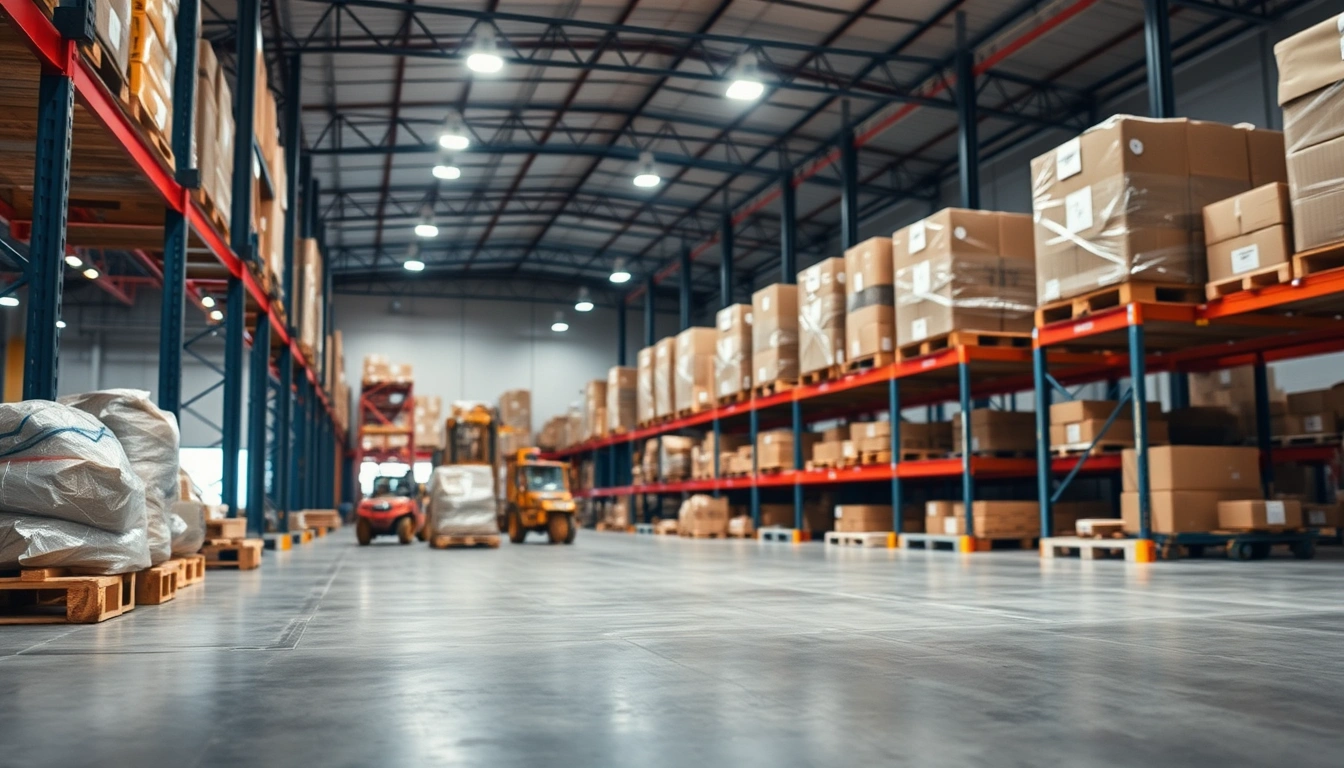
Concrete slab settlement under heavy racking is primarily caused by rack load settlement—extreme, concentrated point loads from upright columns exceeding the subgrade’s soil bearing capacity. This is a structural failure at specific points, not a gradual whole-slab issue. If settlement occurs directly under rack posts while aisles remain level, this is likely the cause.
The failure happens because initial subgrade design may have underestimated live loads or ignored dynamic loads from forklifts. Over time, repetitive stress compresses soil particles or, in cohesive soils, pushes out moisture, leading to consolidation. This is common in facilities with cold-storage additions, where frost heave and thaw cycles weaken the subgrade under heavy zones.
Is water or soil the reason my plant floor is dropping?
Water is the most common reason for plant floor drops, through two mechanisms: water erosion creating a subgrade void, or water saturating cohesive soils like expansive clay, which shrink when dry, leaving a void. Soil issues like poor initial compaction (soil consolidation) also occur, but water often accelerates minor settlement into major failure.
Look for clues: Settlement near a roof drain, fire suppression system, or underground pipe suggests water erosion. Settlement worsening after a dry following a wet season points to expansive clay shrinkage. Floor sinking shortly after construction likely indicates initial soil consolidation from inadequate compaction.
| Symptom / Observation | Likely Subgrade Cause | Will Leveling Alone Hold? |
|---|---|---|
| Settlement directly under rack uprights | Rack load settlement | No. Requires subgrade stabilization (e.g., compaction grouting) under load points. |
| Dish-shaped depression along a wall or near a drain | Water erosion creating a subgrade void | Conditionally. Leveling fills the void, but you must fix the water source (e.g., redirect downspout, repair pipe). |
| Widespread, gentle slope across a large section | Soil consolidation of loose fill | Yes, often. Foam fills the voids created during consolidation and provides uniform support. |
| Settlement worsens after droughts | Expansive clay shrinkage | No. Clay will continue to cycle. Requires moisture stabilization or deep foundation support. |
| Sharp, step-down crack at a joint | Localized poor compaction at construction joint | Yes. Polyurethane foam injection is highly effective for this common scenario. |
The two main culprits: water damage versus structural loading
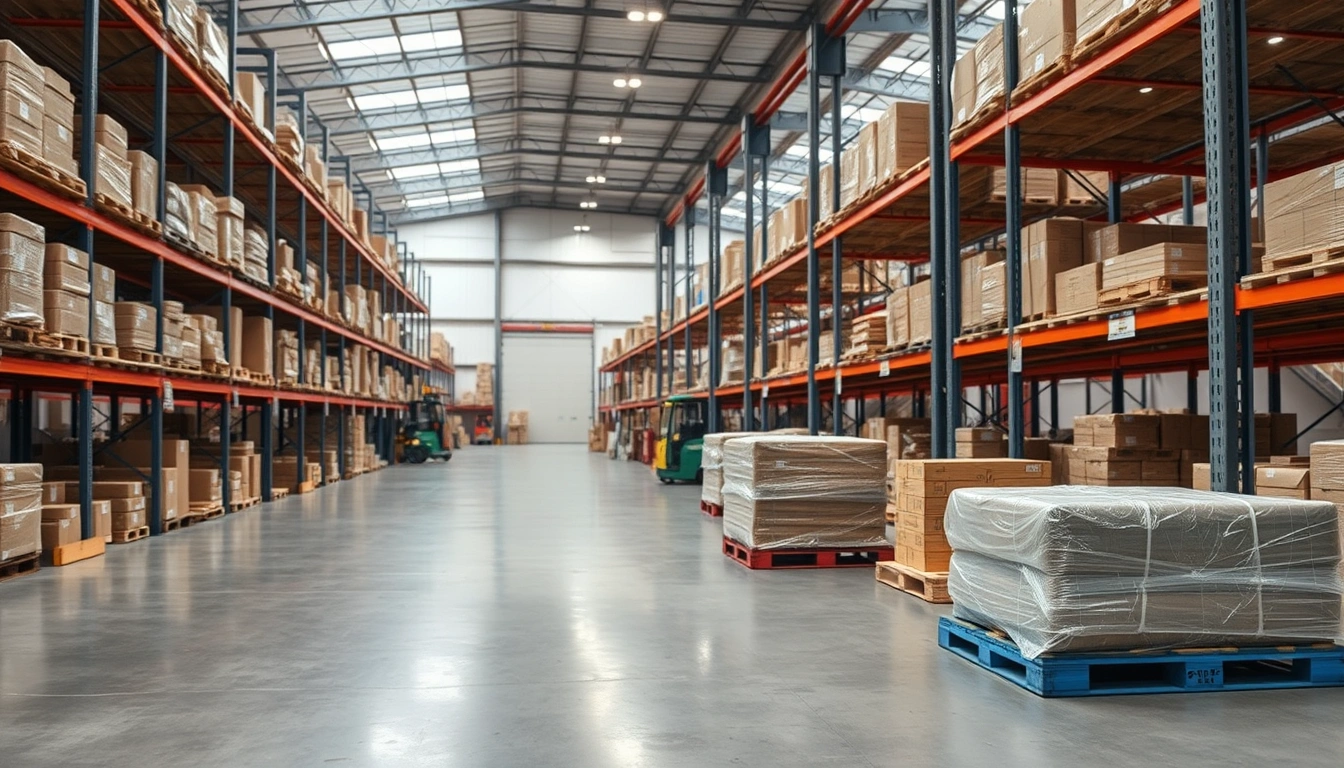
Think of the battle as external force versus internal weakness. Water erosion is the external force—it physically washes away soil, creating a void that the slab sags into. This is often predictable and preventable with proper drainage. Rack load settlement is an internal weakness—the subgrade soil was never strong enough to support the applied loads, leading to compression failure.
In 2026, automated storage systems make rack loads heavier and more concentrated. Older buildings may have drainage systems not designed for current loads or climate patterns. The fix for each differs: water requires a management solution, while overloading requires reinforcement. Trying a leveling-only fix for both is ineffective, much like treating a broken bone with a bandage.
How to diagnose why a warehouse floor is sinking?
Diagnosing why a warehouse floor is sinking requires methodical investigation, not guesswork. Start by mapping all cracks and low spots on a facility diagram. Then, perform a moisture check with a pin-type moisture meter along the perimeter and near utility penetrations. Finally, use ground-penetrating radar (GPR) to identify voids under the slab. This three-step process—mapping, moisture testing, and GPR scanning—isolates the cause in over 90% of cases.
The data dictates the repair. If GPR shows a 3-inch void and high moisture readings, water erosion is the primary target. If GPR shows minimal voiding but crack patterns indicate rack-load issues, soil stabilization under load points is the priority. You can’t choose the right method without this diagnosis. For help with soil data and repair options, our team at Industrial Leveling Co. offers diagnostic consultations.
Soil settlement versus water erosion — which is worse for slabs?
Water erosion is typically worse for immediate structural integrity because it creates complete loss of support, leading to sudden, uneven settlement. Soil settlement is often more gradual and uniform, reducing the risk of catastrophic rack instability. However, long-term soil consolidation can cause operational issues with conveyor systems and floor flatness. For repairability, water erosion voids are easier to fill with foam, but the water source must be addressed. Soil consolidation may require more widespread stabilization. To compare methods, check our article on polyurethane concrete leveling vs mudjacking.
Why does my floor keep sinking after being leveled?
Your floor keeps sinking after leveling because the repair addressed only the symptom (the void) and not the ongoing cause. This happens with rack load settlement or expansive clay shrink-swell cycles. If foam fills a void but the soil continues to compress, the slab settles again. Similarly, filling a void in expansive clay during wet periods provides a temporary fix; the clay shrinks when dry, re-opening the void.
The fix for recurring settlement is a two-step process: first, stabilize the cause (e.g., reinforce subgrade under rack posts or install a moisture barrier for clay). Second, perform the leveling. Without step one, step two becomes a recurring expense. For cost insights, see our breakdown of industrial concrete leveling cost per square foot.
The honest side-by-side: foam lifting versus full slab replacement
When subgrade failure is localized and identifiable, foam lifting (polyurethane concrete leveling) is almost always the first choice over full slab replacement. It’s faster, less disruptive, and can target specific settlement areas. It also seals cracks, preventing further water intrusion. Full slab replacement is only necessary when the subgrade is universally compromised or the slab is severely deteriorated.
| Criteria | Foam Lifting (Polyurethane) | Full Slab Replacement | Winner For… |
|---|---|---|---|
| Cost | Lower (typically 40–60% less) | Higher, especially with subgrade work | Foam for localized issues |
| Disruption / Downtime | Minimal. Ready in hours. | Major. Requires extended curing and construction. | Foam for operational continuity |
| Addressing Root Cause | Fills voids but requires separate stabilization. | Allows for comprehensive subgrade rework. | Replacement for universal subgrade failure |
| Precision | Very high. Can lift individual slabs or sections. | Low. It’s a full removal and pour. | Foam for uneven settlement |
| Longevity (with proper cause fix) | 25+ years | 30+ years | Tie, if both are done right |
When to reconsider this choice entirely
You should reconsider leveling in favor of replacement when three conditions are met: First, the subgrade void covers more than 60% of the slab area, making spot repairs uneconomical. Second, the slab has excessive, interconnected cracking indicating poor concrete quality. Third, the facility’s floor flatness (FF/FL) requirements are extremely high, such as for automated guided vehicles (AGVs), where a monolithic pour is necessary.
However, a hybrid approach can work: excavate and rebuild the worst subgrade sections, then foam-level the remaining sound slab to bring the floor to grade. This complex project can save 30–40% over total replacement. For specialized machinery, machine base concrete leveling techniques may be required.
Key Takeaways
- Identify if settlement is from water erosion (localized void), soil consolidation (general), or rack load settlement (point-based).
- Avoid a “level and forget” approach; you must address the root subgrade cause to prevent repeat settlement.
- Foam lifting is efficient and low-disruption for most localized subgrade failures.
- A professional diagnosis with moisture testing and GPR is worth the investment before choosing a repair method.
Common Questions About warehouse floor settlement causes
What causes industrial concrete floors to settle in the first 5 years?
In the first 5 years, over 65% of settlement is due to inadequate initial subgrade compaction (soil consolidation) or early water infiltration causing erosion. Design loads may have also been underestimated for new racking systems.
Can you fix settlement caused by expansive clay?
Yes, but leveling alone won’t fix it permanently. Expansive clay requires moisture stabilization (like lime or cement injection) or installation of a moisture barrier to prevent the shrink-swell cycle that causes repeated settlement.
How do I know if my rack load settlement is a safety hazard?
If settlement exceeds 1/2 inch under a rack post, or if you observe rack frames bowing, base plates lifting, or grout pads cracking, it’s a potential stability hazard. Have a structural engineer assess the rack integrity immediately.
How much does it cost to fix the cause of settlement versus just leveling?
Fixing the root cause, like soil stabilization, typically adds $5–$10 per square foot to the base leveling cost of $3–$6 per square foot. This upfront investment prevents costly repeat repairs and long-term issues.
Is it possible for the floor to sink after being leveled even with proper cause repair?
It’s possible but rare. It can occur if new loads are added that exceed the engineered subgrade capacity, or if a new water leak develops. Regular inspections of drainage systems and rack loads help prevent this.
The Bottom Line
Stop treating settlement as a uniform problem. The visible symptom—a crack or a dip—is your best clue to the specific subgrade failure beneath. Water creates voids. Overloading crushes fill. Clay breathes and moves. Diagnosing which one you have isn’t academic; it’s the financial line between a $5/sq ft fix that lasts and a $15/sq ft fix that fails. This week, take one concrete step: walk the floor with a moisture meter near the perimeter and note any patterns. That simple data point will tell you if water is likely your enemy.
For a complete decision tree on methods and costs, see our parent guide: Industrial Concrete Leveling: Methods, Costs & When to Level vs. Replace.
“`
See also: industrial concrete leveling statistics
See also: industrial concrete leveling cost per square foot
See also: industrial concrete leveling
Related: leveling industrial floor without shutting down production
Related: OSHA trip hazard concrete floor threshold
Related: floor flatness FF FL