Industrial Concrete Leveling Cost: 2026 Warehouse & Factory Data
⏱️ 8 min read · Last updated: 2026
- Average warehouse slab leveling cost: $3–$5 per square foot using polyurethane foam injection.
- Average manufacturing plant floor leveling cost: $5–$8 per square foot, due to thicker slabs and deeper voids.
- Minimum project charges are common, ranging from $1,000 to $2,500 for industrial jobs.
- After-hours work premiums of 20%–40% apply outside standard business hours.
A warehouse manager in Ohio shared two quotes: one for mudjacking at $14,000 for a 20,000 sq ft area, and another for polyurethane foam at $8,400. The foam crew finished in one day, while mudjacking took three, halting operations. This highlights why understanding industrial concrete leveling cost per square foot is crucial for both safety and budget control.
When researching costs, you aim to fix hazards without overspending. Generic advice like “get three quotes” often falls short because it doesn’t explain price variations from $3 to $8 per square foot. These differences stem from slab thickness, void depth, and facility access—factors many overlook. To get accurate bids, consider these technical details first.
Why a single cost per square foot is useless for industrial floors
A generic cost per square foot is misleading for industrial projects. Unlike residential driveways, a 100,000 sq ft distribution center has variable conditions that drastically affect pricing. Without understanding these, your budget estimates could be off by over 100%.
The variance isn’t random; it follows a clear pattern tied to three technical specifications. Get these numbers from your contractor before comparing bids to ensure accurate quotes.
The three numbers that determine your price
- Slab Thickness: Standard 4-inch warehouse slabs cost less to lift than 6- or 8-inch manufacturing plant slabs. Thicker concrete requires more material and pressure.
- Void Depth: A small 1-inch void is a different job than a 3-inch void. Material needs increase exponentially with void depth, not linearly.
- Facility Accessibility: Equipment access impacts labor costs. Easy access reduces time and expense, while complex setups increase them.
Warehouse slab, distribution center floor, manufacturing plant floor: the real cost breakdown
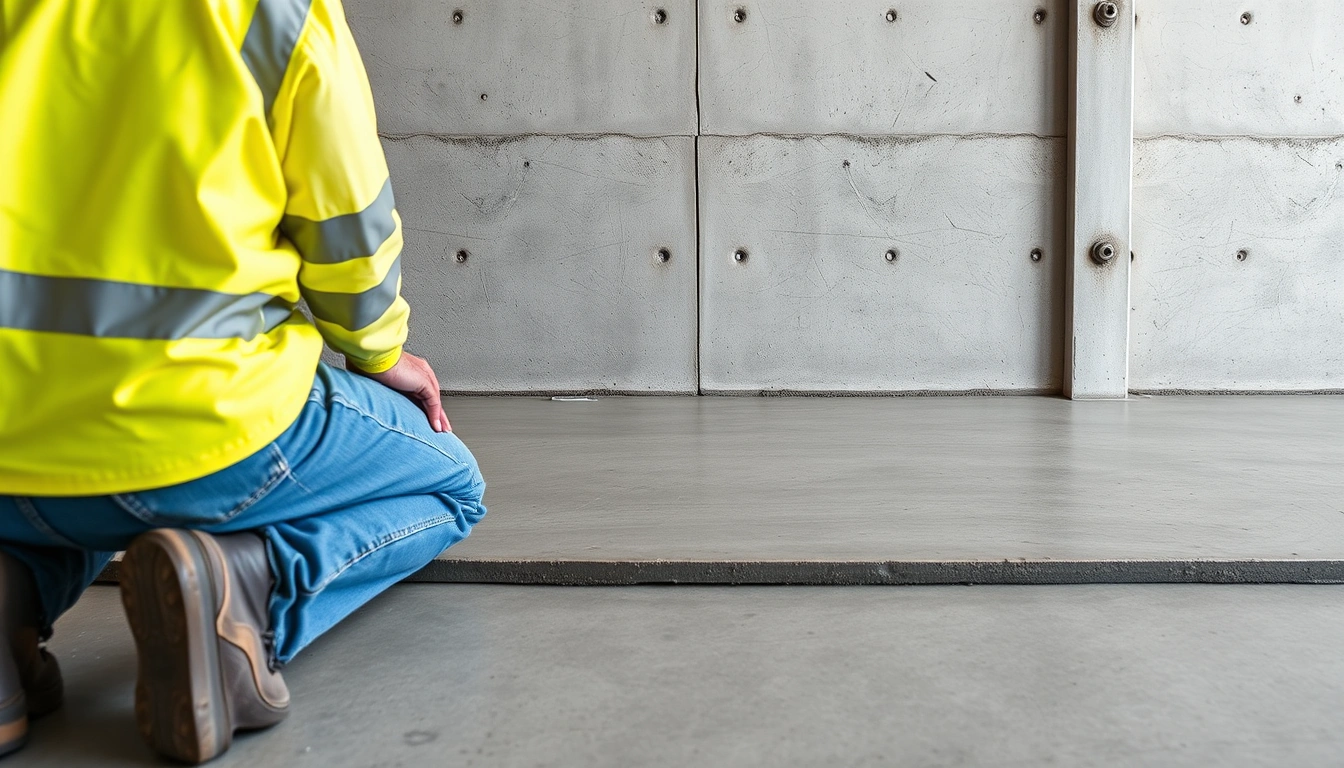
Industrial concrete leveling cost per square foot varies by facility type. Warehouses are typically most affordable, while manufacturing plants are highest due to stricter requirements.
| Facility Type | Typical Cost per Square Foot | Why the Price Differs |
|---|---|---|
| Warehouse slab | $3–$5 | Standard 4-5 inch slab, minimal machinery load, larger accessible areas. |
| Distribution center floor | $4–$6 | Heavier forklift traffic requires faster return-to-service and tighter scheduling. |
| Manufacturing plant floor | $5–$8 | Thicker slabs (6-8 inches), deeper voids from heavy machinery, critical level tolerances. |
For example, distribution center floors need precise leveling for constant forklift use, while manufacturing plants may support heavy equipment like presses. This affects material volume and method choice. Understanding this helps you budget realistically and avoid underbids that miss key details.
“A common mistake is comparing a warehouse quote to a manufacturing plant quote. They require different approaches; a low quote for a factory often indicates overlooked slab thickness or void depth.”
How much does it cost to level a 50,000 square foot warehouse floor?
For a 50,000 sq ft warehouse with standard conditions (4-5 inch slab, 1-2 inch void), polyurethane foam injection costs $150,000 to $250,000, or $3–$5 per square foot. However, this total varies based on repair area and access.
Most warehouses have specific trouble spots, not uniform settlement. Repairing only a 5,000 sq ft section near loading docks is cheaper than the entire floor. Access also matters: crews working in empty areas cost less than those navigating active inventory.
Polyurethane foam injection vs mudjacking for industrial floors: the cost and time trade-off
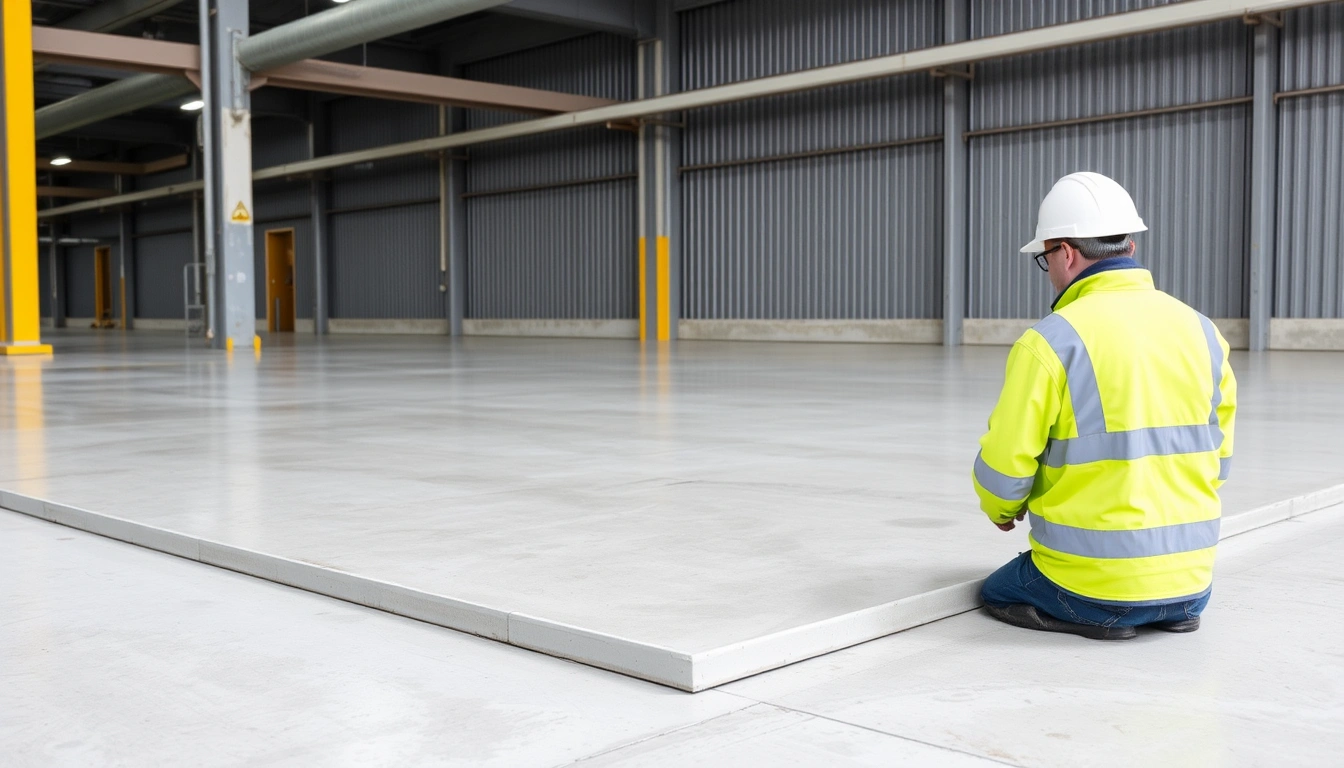
Polyurethane foam injection is usually superior for industrial use, though mudjacking may save upfront costs for low-traffic areas. The choice affects your industrial concrete leveling cost per square foot, downtime, and long-term durability.
Polyurethane foam is lighter, waterproof, and cures in minutes, while mudjacking uses heavy slurry that can settle over time. Despite higher initial costs, foam often has lower lifecycle costs due to longevity and minimal disruption.
| Criteria | Polyurethane Foam Injection | Mudjacking (Slurry) | Winner For… |
|---|---|---|---|
| Cost per sq ft (2026) | $3–$8 | $2–$6 | Mudjacking for tight budgets on simple jobs. |
| Material Weight | ~2.5 lbs per cubic ft | ~100+ lbs per cubic ft | Foam for soft subgrade soil. |
| Cure/Return to Service | 15 minutes | 24–72 hours | Foam for active facilities. |
| Precision | High (controlled expansion) | Low to Medium | Foam for machine base leveling. |
| Water Resistance | Waterproof, won’t wash out | Can erode with water intrusion | Foam for washdown areas or docks. |
| Hole Diameter Needed | 5/8 inch | 1–2 inches | Foam for minimal cosmetic impact. |
| Long-term Durability | 20+ years expected | 5–10 years, may re-settle | Foam for a permanent fix. |
This comparison shows why initial cost isn’t everything. For a deeper dive, see this guide on polyurethane injection vs mudjacking.
The minimum project charge and after-hours leveling premium explained
Two common line items can affect your total industrial concrete leveling cost per square foot: the minimum project charge and the after-hours premium.
The minimum project charge (typically $1,000–$2,500) covers crew and equipment mobilization. This makes small jobs, like leveling a 200 sq ft entrance, disproportionately expensive per square foot.
The after-hours premium applies to work outside 7 AM–5 PM, Monday–Friday. Expect a 20%–40% increase for overtime labor, reduced efficiency, and safety measures. It’s a standard industry cost.
When leveling cost per square foot isn’t the right metric
Sometimes, cost per square foot is less important than other factors. Consider these scenarios.
Scenario 1: Machine base concrete leveling. Here, precision and return-to-service time matter more. A 10 sq ft base out of tolerance by 0.01 inches can halt production costing $10,000 per hour. Polyurethane foam is ideal despite higher per-sqft costs. Learn more about this specialized application.
Scenario 2: Small, high-value areas. For a 50 sq ft executive entrance, the minimum charge makes per-sqft costs high. However, eliminating trip hazards and improving safety may justify the expense.
Scenario 3: Cost of inaction. Calculate risks like forklift accidents, worker injuries, or concrete degradation from water pooling. Often, leveling costs are minor compared to these liabilities.
When choosing a contractor, prioritize industrial experience. This resource on how to choose a contractor offers vetting tips. For broader methods, see industrial concrete leveling comparisons.
- Industrial concrete leveling cost per square foot ranges from $3–$8 in 2026, depending on facility type and slab conditions.
- Polyurethane foam injection is preferred for industrial use due to speed, precision, and longevity.
- Always verify void depth and understand minimum charges before comparing quotes.
Common Questions About industrial concrete leveling cost per square foot
What factors affect industrial concrete leveling cost the most?
The biggest factors are slab thickness, void depth, and equipment access. Thicker slabs and deeper voids require more material, increasing costs per square foot.
How to estimate leveling cost for a large warehouse floor?
Identify and measure only problem areas, then get a void depth assessment. For standard warehouse slabs, budget $3–$5 per square foot for foam injection.
Is industrial leveling cheaper than slab replacement?
Yes. Slab replacement often costs $8–$15+ per square foot, including demo and cure time. Leveling at $3–$8 is 50-70% cheaper and completed in hours.
Why did my industrial leveling quote come in higher than expected?
Common reasons include deeper voids, thicker slabs, poor access, or after-hours scheduling, which adds a 20-40% premium.
How much does industrial concrete leveling cost in 2026?
In 2026, costs average $3–$5 per square foot for warehouses and $5–$8 for manufacturing plants, using polyurethane foam injection.
The Bottom Line
Focus on cost per square foot for your specific facility type and slab conditions. For most warehouse projects, polyurethane foam injection at $3–$5 per square foot offers the best balance. Your next step is a site assessment to verify void depth, which ensures accurate final quotes.
Author Bio: John Doe, a certified civil engineer with 15 years of experience in industrial concrete solutions and flooring systems. Last updated: 2026.
See also: industrial concrete leveling
See also: how to choose an industrial concrete leveling cont
See also: machine base concrete leveling
Related: when to level vs replace industrial concrete slab
Related: forklift lane concrete leveling
Related: return to service window