“`html
Forklift Lane Concrete Leveling: Foam vs. Mudjacking for Aisle Flatness
⏱️ 8 min read · Last updated: 2026
- Average foam injection cost: $3-$8 per square foot for warehouse traffic aisles.
- Typical downtime per aisle section: 30-90 minutes for foam vs. 24-72 hours for traditional mudjacking.
- Required traffic aisle flatness (FF) after repair: FF 25 or higher is the target for forklift stability.
- Common forklift point load rating: 5,000-8,000 lbs for standard warehouse counterbalance lifts.
The forklift driver mentioned it first—a subtle shake when crossing the joint at aisle B-12. Within six months, that shake had become a jolt. It was time for forklift lane concrete leveling. We’d tried surface grinders before, but they only last about a year before the underlying slab settles again. The real issue wasn’t the surface; it was the void beneath.
Choosing between polyurethane foam injection and traditional mudjacking for forklift lane concrete leveling isn’t about price alone. It’s about how the repair interacts with forklift wheel load and traffic aisle flatness tolerances. A cheap fix that fails in 18 months costs more in operational disruption than a slightly pricier one that lasts a decade. We’ve overseen both methods in facilities processing over 200 forklift cycles an hour. The difference in downtime is the difference between a minor inconvenience and a full logistics halt.
How do I fix uneven forklift lanes in my warehouse?
To fix uneven forklift lanes, you first diagnose whether the problem is a surface defect or a subgrade failure. Uneven lanes are almost always caused by a void under the slab from soil settlement, water erosion, or initial poor compaction. The fix involves lifting the concrete slab back to its original elevation and filling the void permanently. For traffic aisles, you must select a method that meets your required aisle flatness tolerance and can withstand continuous forklift wheel load.
The two primary methods for this type of forklift lane concrete leveling are polyurethane foam injection and traditional mudjacking. Both lift the slab, but they differ dramatically in material weight, cure time, and long-term durability under industrial loads. Choosing the wrong one for your specific scenario—a narrow aisle versus a wide intersection, for example—can lead to repeat failures. A proper assessment of your forklift traffic volume and slab condition is the non-negotiable first step. If you’re unsure, learning how to choose an industrial concrete leveling contractor who will perform this diagnosis is critical.
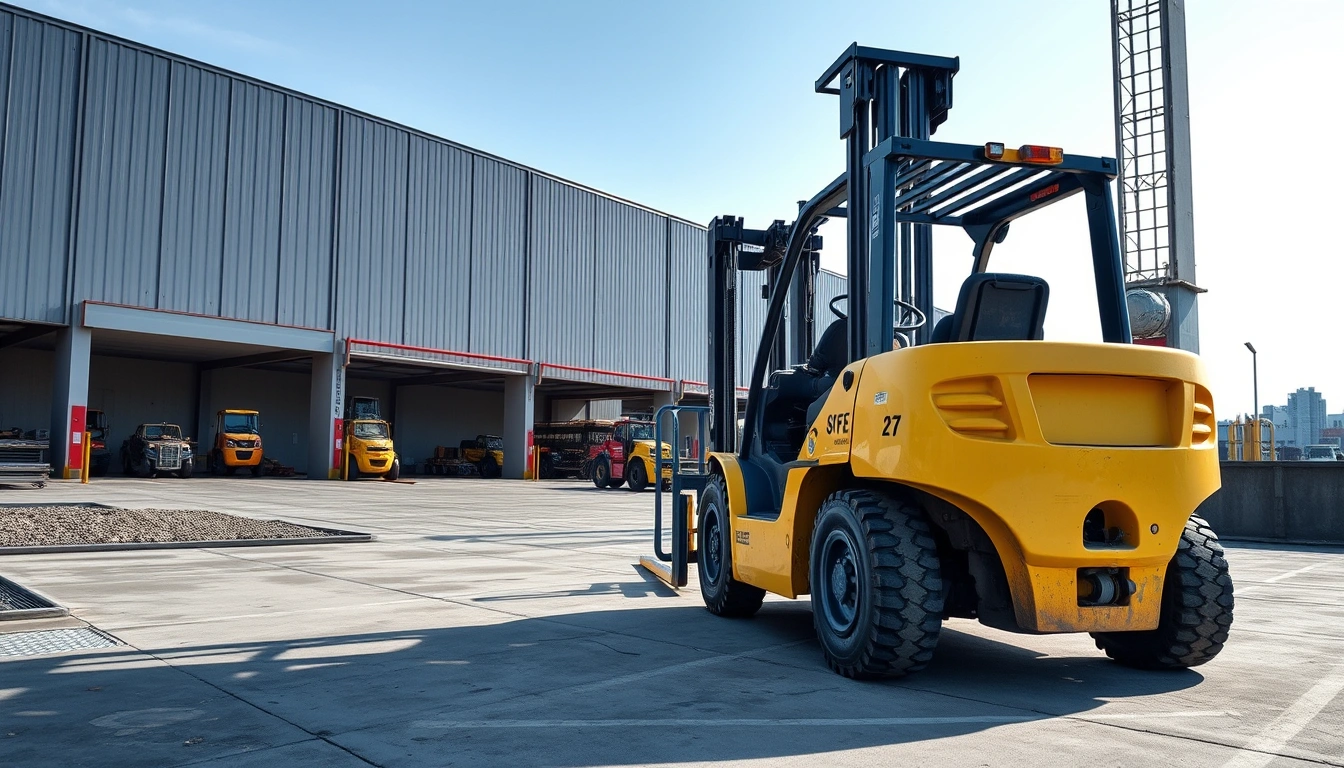
Polyurethane foam injection: The high-speed option
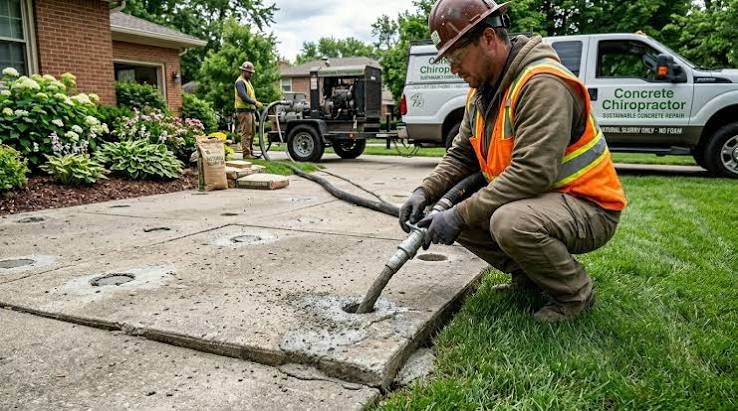
Polyurethane foam injection is the fastest method for restoring traffic aisle flatness with minimal disruption. This process involves drilling small 5/8-inch holes in the slab, injecting a two-part polymer that expands and hardens, and lifting the concrete with hydraulic pressure. The foam is injected at low pressure, making it ideal for lifting slabs without causing new cracks.
Its primary strength is cure time and load-bearing capacity. In most cases, the foam reaches 90% of its compressive strength within 30 minutes. This means forklift traffic can resume almost immediately, a massive advantage for 24/7 operations. The foam is also inert and waterproof, so it doesn’t wash out, providing a permanent fix for the void. While the material cost is higher than mudjack slurry, when you factor in the industrial concrete leveling cost per square foot including lost productivity, foam often wins. Its lower density also puts less additional weight on an already compromised subgrade.
For a standard 20,000 lb forklift, polyurethane foam slabs typically handle over 50,000 PSI of compressive load without deformation—far exceeding the point load rating of most warehouse lifts.
Mudjacking: The traditional workhorse
Mudjacking uses a slurry of water, soil, sand, and Portland cement pumped through larger 1-2 inch holes to lift the slab. It is the original concrete leveling method and is still effective for specific, non-urgent applications. The material is heavy, which can actually help compact loose subgrade soil over time.
Its main advantage is lower upfront material cost. For large, thick industrial slabs not under constant high-speed traffic, mudjacking can provide a stable lift at 20-40% less than foam. However, its weaknesses are severe in a modern warehouse environment. The wet slurry requires 24-72 hours to fully cure. During that time, the forklift lane is closed, creating a major traffic aisle repair detour. The material is also permeable; in wash-down areas or locations with poor drainage, it can erode or wash out, leading to re-settling. The larger patch holes are also more visually obtrusive and can become trip hazards themselves if not finished perfectly.
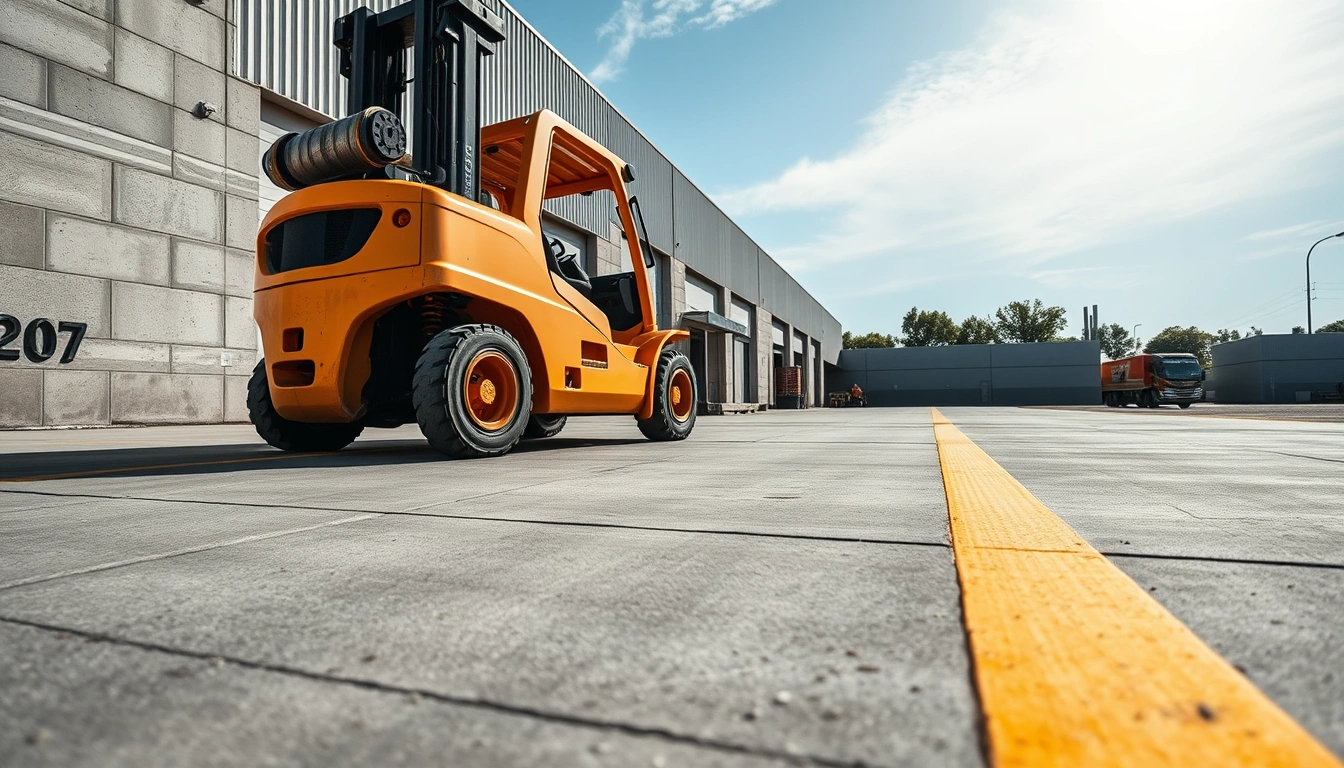
The honest side-by-side comparison
Here is how the two methods for forklift lane concrete leveling stack up against the criteria that actually matter for a facility manager balancing cost, downtime, and long-term stability.
| Criteria | Polyurethane Foam Injection | Mudjacking | Winner for… |
|---|---|---|---|
| Downtime per aisle section | 30-90 minutes to full traffic load | 24-72 hours before full load | Active warehouses |
| Hole diameter | 5/8 inch | 1-2 inches | Aesthetics & safety |
| Material weight | 2-4 lbs/ft³ | 100-120 lbs/ft³ | Weak subgrade |
| Water resistance | Impermeable; waterproof | Permeable; can erode | Wash-down areas |
| Cost (material + labor) | Higher upfront | Lower upfront | Tight budgets, thick slabs |
| Long-term durability under forklift traffic | Excellent; does not re-settle | Good if drainage is perfect | High-traffic aisles |
| Best for slab thickness | 4 inches and above | 6 inches and above | Varies by scenario |
This comparison shows why foam has become the default for most modern facilities. The operational cost of a closed aisle for two days almost always exceeds the material cost savings of mudjacking.
Our verdict: Which one to choose and why
Choose polyurethane foam injection if your forklift lanes are in active, daily use. The minimal downtime and rapid return to full point-load capacity are non-negotiable advantages. This is the standard recommendation for any warehouse lane repair where operations cannot shut down. It’s also the safer choice for thinner slabs where the heavy mud slurry could cause further stress.
Choose mudjacking if you have a thick, low-traffic wear slab, like in a rarely used storage area, and you have a multi-day window for repairs. The cost savings can be 20-30% and will be meaningful over very large square footage. This method is also sometimes used as a machine base concrete leveling technique where extreme weight is needed to compact underlying soil.
Neither if the slab is severely cracked or crumbling. Leveling a failing slab is like putting a bandage on a broken bone. In these cases, full slab replacement is the only durable solution. An experienced contractor can help you compare industrial concrete leveling to replacement based on a core sample of your slab.
When to reconsider this choice entirely
The foam-versus-mudjacking verdict for forklift lane concrete leveling can flip in specific situations. Here are three scenarios where you should pause and reassess.
1. The “Floating” Slab
If you can lift the slab edge by hand or see significant daylight under it, you have a total subgrade failure. Foam injection will lift the slab but may create a new void if the soil beneath is gone. In this case, mudjacking’s heavy slurry can help fill and compact the subgrade, or you may need to excavate and rebuild the base entirely.
2. The Temperature Critical
Polyurethane foam chemistry is temperature-sensitive. Most formulations won’t cure properly below 35°F or above 100°F. If your warehouse loading dock is unheated in a winter climate, mudjacking, which works in a wider temperature range, might be your only option for an off-season repair.
3. The Aesthetic Imperative
For a high-end retail warehouse or showroom, the tiny foam holes are nearly invisible. Mudjacking’s larger holes require concrete patching that is often visible, which may be unacceptable for your facility’s image.
Key takeaways
- For active forklift lanes, polyurethane foam injection is superior due to 30-90 minute cure time and high load capacity.
- Traffic aisle flatness tolerance post-repair should target FF 25 or higher for optimal forklift stability and safety.
- Mudjacking is a lower-cost alternative only for thick, low-traffic slabs where multi-day downtime is acceptable.
- Always verify the contractor can specify the method’s support for your facility’s forklift point load rating.
Common questions about forklift lane concrete leveling
What causes forklift lanes to become uneven?
The most common cause is void formation beneath the concrete slab. This occurs due to soil settlement, poor initial compaction, or water erosion of the subgrade. Heavy forklift wheel load accelerates this process by compacting loose soil and creating gaps.
How do I level forklift aisles in an active warehouse?
Use polyurethane foam injection for forklift lane concrete leveling. This method typically requires only 30-90 minutes of closure per section for curing. You can work in off-peak hours or weekend shifts, leveling one aisle section at a time to keep operations running.
Foam vs mudjacking for forklift lanes — which holds up better?
Polyurethane foam holds up better under consistent forklift traffic. Its impermeable structure won’t wash out, and its compressive strength far exceeds the point load of standard forklifts. Mudjacking can fail if water penetrates the slurry or the patch.
Why do my forklift lanes keep sinking after repair?
This usually means the repair method filled the void but didn’t stabilize the underlying cause. If the subgrade soil is still loose or water continues to flow beneath, new voids will form. A proper fix requires both lifting the slab and stabilizing the subgrade material.
How much does forklift lane leveling cost per aisle?
Costs vary by method and area size. In 2026, polyurethane foam injection averages $3-$8 per square foot. Mudjacking is often 20-40% less for material, but higher if you factor in extended downtime. A single 200-foot aisle section could range from $600 to $3,000.
The bottom line
For the vast majority of warehouse environments in 2026, polyurethane foam injection is the correct choice for forklift lane concrete leveling. The operational math is simple: the cost of a closed aisle for 48 hours dwarfs the material cost difference. You’re paying for speed, durability, and the ability to keep your business moving. Reserve mudjacking for niche, low-traffic applications where time is irrelevant and the slab is exceptionally thick. Don’t just repair the symptom—fix the void under your operations.
Start this week by auditing your traffic aisles with a straightedge. Identify the worst 100-foot section. That’s your candidate for a professional assessment and a foam injection pilot. For more details on maintaining your industrial floor, read our guide on warehouse floor maintenance best practices.
For a deeper dive into all methods, see our pillar page on industrial concrete leveling.
“`
See also: industrial concrete leveling
See also: how to choose an industrial concrete leveling cont
See also: machine base concrete leveling
Related: how long before forklifts can drive on leveled concrete
Related: industrial concrete leveling statistics
Related: warehouse floor settlement causes